Avoiding Costly Downtime Through Regular Oil, Brake, and Fluid Service
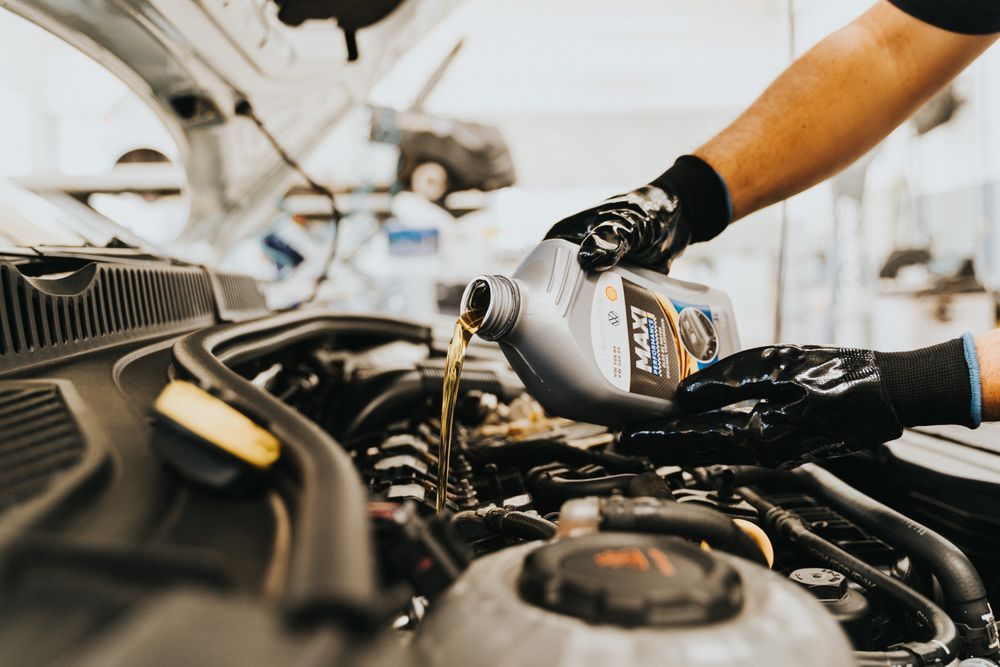
For drivers in St. George, vehicle downtime can disrupt work, family plans, customer appointments, and long-distance travel. A neglected oil change or worn brake pad may seem like a minor issue, but small maintenance problems often become expensive repairs when they are left unresolved.
Routine service gives drivers a practical way to protect reliability and control ownership costs. Regular oil, brake, and fluid checks can identify problems before they lead to overheating, breakdowns, or an unexpected visit to the repair shop.
Oil Service Protects the Engine Before Problems Start
Engine oil does more than reduce friction. It helps manage heat, carries contaminants away from internal components, and supports proper operation under demanding conditions. As oil becomes dirty or breaks down, it may not protect the engine as effectively.
Southern Utah's hot weather can place additional strain on vehicles, especially during summer traffic, extended highway trips, and frequent air-conditioning use. Drivers who delay oil service may notice warning signs such as:
- A ticking or knocking sound from the engine
- Dark, gritty, or low oil
- Reduced fuel economy
- An illuminated oil pressure or check-engine light
- A burning smell after driving
The correct service interval depends on the vehicle, oil type, mileage, and driving conditions. Short trips, dusty roads, heavy loads, and stop-and-go traffic may require more frequent attention than normal highway driving. Checking the owner's manual and keeping records of each service can help prevent missed intervals.
The cost of routine oil service is modest compared with the expense of repairing internal engine damage. A few minutes spent checking the oil level between appointments can also reveal a leak before it becomes a larger problem.
Brake Maintenance Reduces Safety Risks and Repair Bills
Brake components wear gradually, which means many drivers do not notice a problem until performance has already declined. Brake pads become thinner, rotors can develop uneven surfaces, and brake fluid may absorb moisture over time.
Pay attention to changes such as:
- Squealing or grinding when stopping
- Vibration through the steering wheel or brake pedal
- A soft or spongy pedal
- Pulling to one side during braking
- A longer stopping distance
Grinding noises deserve immediate attention because they may indicate that the friction material has worn away. Continuing to drive in that condition can damage the rotors and increase the final repair bill.
Brake inspections should be part of regular maintenance, particularly before road trips or periods of heavier driving. Drivers who frequently travel through hilly areas, carry equipment, or operate in stop-and-go traffic may place more stress on their braking systems.
A qualified auto repair St George UT provider can inspect pad thickness, rotor condition, brake fluid, and related components before a minor wear issue turns into a roadside emergency.
Fluids Affect More Than the Engine
Several vehicle fluids support systems that drivers depend on every day. Coolant helps regulate engine temperature, transmission fluid supports smooth gear changes, power steering fluid affects steering performance in vehicles that use it, and brake fluid transfers pressure through the braking system.
Leaks, low levels, or contaminated fluids can cause expensive damage. A coolant leak, for example, may lead to overheating during a hot afternoon drive. Transmission problems can also develop when fluid is neglected or the system is allowed to operate with a low level.
During routine service, technicians should check fluid levels, visible leaks, fluid condition, hoses, belts, and surrounding components. This inspection is especially useful before summer travel, winter temperature changes, or a long-distance trip away from home.
A Simple Schedule Helps Prevent Disruption
Maintenance is easier to manage when it is attached to a regular schedule. Drivers can review service intervals at each oil change, check tire pressure monthly, and arrange a brake or fluid inspection before major travel. Keeping receipts and mileage records makes it easier to see what has been completed and what is due next.
Preventive maintenance cannot eliminate every breakdown, but it can reduce avoidable failures and give drivers more control over repair costs. In St. George, where heat, dust, and long drives can test a vehicle, routine service is one of the simplest ways to keep transportation dependable and downtime manageable.