Buying Your Dream Classic Car: Don't Forget To Check The Underside
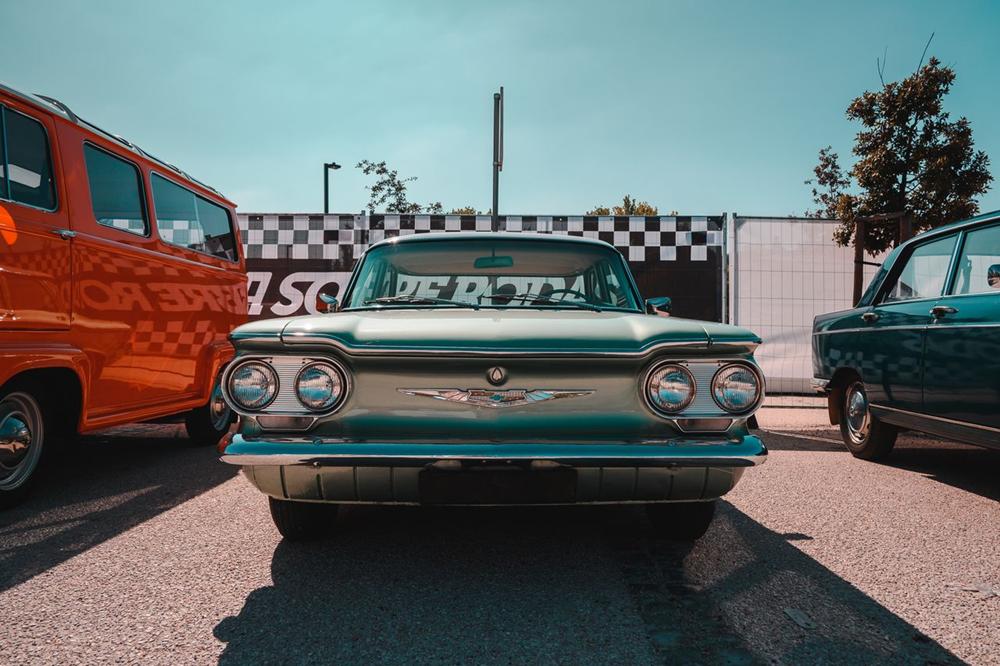
Owning a classic car is a dream shared by thousands of enthusiasts. The styling, the sound, the character and the sheer enjoyment of driving something truly special make classic ownership incredibly rewarding.
However, before you hand over your hard-earned money, there is one rule every buyer should remember: Always check the underside.
Mark from Preserve Protect said "A gleaming paint finish and immaculate interior can distract buyers from what is happening underneath." Unfortunately, hidden corrosion can turn a dream purchase into an expensive restoration project.
This guide explains what to look for when buying a classic car and why inspecting the underside should never be overlooked.
Is A Classic Car Right For You?
Before you begin your search, think honestly about how you intend to use the vehicle: weekend toy, show car, long-distance tourer or daily driver. Your intended use will influence everything from maintenance costs to storage requirements.
Understanding Different Eras Of Classic Cars
Pre-war vehicles deliver charm and authenticity but require significant commitment. Many post-war vehicles utilise separate chassis construction, making some repairs easier, although corrosion remains a major concern. Vehicles from the 1980s and 1990s combine classic character with improved usability but still suffer from rust issues.
Before Viewing A Car: Research First
Research common rust areas, join owners' forums, speak with owners' clubs, review market values and understand parts availability.
Pre-Purchase Paperwork Checks
Verify the V5C, confirm chassis and VIN numbers match, review service and restoration history and conduct finance and provenance checks.
The Test Drive: What To Look For
Assess engine performance, gearbox operation, steering feel, braking performance and suspension behaviour. Listen for unusual noises and inspect for fresh leaks afterwards.
Don't Forget The Underside
Bring a torch, inspection mirror and suitable clothing. Carefully inspect the sills, floorpans, chassis rails, suspension mountings and any evidence of hidden repairs.
Corrosion: The Biggest Threat To Any Classic
Surface rust is often only the beginning. Corrosion frequently develops inside panels before becoming visible externally. Pay particular attention to wheel arches, chassis members, bulkheads, inner wings, suspension turrets, boot floors and door bottoms.
The Importance Of Preservation After Purchase
Once purchased, protecting the vehicle from future corrosion should become a priority. Regular underside inspections, prompt treatment of surface corrosion and professional rust prevention measures all help preserve originality and value.
Final Thoughts
Buying a classic car should be exciting, enjoyable and rewarding. Most importantly, never forget to check the underside. The car that looks perfect in photographs can hide costly surprises beneath.