Workweek Lunch Delivery Calendar: Rotating Cuisines for a No-Decision Routine

Lunch used to feel like a pause. It was the one part of the workday that didn’t belong entirely to schedules, meetings, or deadlines. Whether it meant stepping out, unpacking something from home, or gathering with coworkers, lunch created a brief separation—a reset before the afternoon resumed.
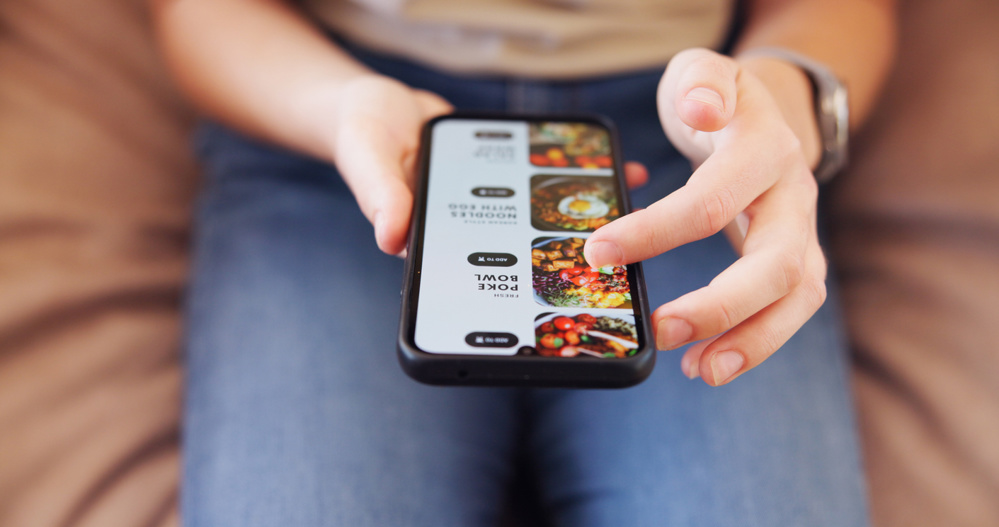
But in many workplaces today, that pause has changed. The question of “what’s for lunch?” has become less spontaneous and more structured. Decisions are made in advance, orders are automated, and routines are designed to eliminate friction. Instead of debating options or wandering for food, teams increasingly follow systems—rotations, schedules, and pre-selected meals that remove the need to think about it at all.
Why Decision Fatigue Destroys Workplace Lunch Consistency
By noon, you've already made hundreds of small decisions—what to wear, which emails to prioritize, how to handle that awkward team meeting. That mental drain compounds fast. Research shows 76% of employees feel fatigued during work hours, and fatigue pushes people toward impulsive, superficial choices rather than thoughtful ones.
Lunch becomes another casualty—you skip it, grab whatever's nearest, or waste 20 minutes debating options you don't actually care about. These aren't minor inefficiencies. Decision fatigue drains workplace productivity maintenance efforts by reducing accuracy and increasing procrastination on meaningful tasks. Judges make worse parole decisions by afternoon; you make worse work decisions too.
Implementing decision fatigue solutions—like a rotating lunch delivery calendar—removes one cognitive burden entirely, protecting your mental bandwidth for decisions that actually matter. As cognitive resources deplete throughout the day, the prefrontal cortex becomes less effective, impairing the judgment and self-control needed for high-stakes work.
What a Rotating Lunch Delivery Calendar Actually Does
A rotating lunch delivery calendar does exactly what it sounds like. It locks your team's meals into a predictable, recurring schedule so nobody has to think about lunch logistics again. You're eliminating daily decisions, reducing administrative overhead, and creating consistent bonding windows your team can count on. The result is enhanced nutritional benefits and improved dietary diversity without anyone lifting a finger to plan it.
| What It Replaces | What It Creates |
| Daily restaurant decisions | Automated cuisine rotation |
| Unpredictable lunch spending | Monthly budget consistency |
| Scattered eating schedules | Designated team meal windows |
| Repetitive food choices | Varied, pre-selected menus |
Your team eats better, bonds faster, and returns to work quicker—all because the calendar handles everything upfront. Much like a rotating staff schedule, this system distributes variety fairly across the team so everyone benefits equally from the structure it provides.
Explore how to build your own lunch delivery calendar to stay consistent with your meal plans.
The Workplace as a System of Efficiency
This transformation reflects a broader cultural shift within modern work environments. Offices today are designed for efficiency—time is optimized, processes are streamlined, and friction is reduced wherever possible. Lunch, once outside that system, has gradually been pulled into it.
The logic is simple. If meetings can be scheduled, workflows automated, and communication streamlined, why not meals? Why leave something as repetitive as lunch to daily improvisation when it can be organized in advance?
And so, lunch becomes part of the system. It aligns with schedules, fits within time blocks, and supports productivity rather than interrupting it. Meals are timed, coordinated, and often standardized across teams. What emerges is a new kind of workplace rhythm—one where even breaks are structured.
Build Your 5-Day Workplace Lunch Rotation from Scratch
Now that you understand what a rotating lunch calendar does, it's time to build one that fits your specific workweek.
- Start by structuring your five-day rotation around these core steps:
- Define your pattern – assign each employee a starting date and shift variation
- Break the day into segments – use staggered lunches like 12:00–1:00p weekdays and 12:00–12:45p weekends
- Form coverage teams – guarantee operations continue while staff rotate through breaks
- Document and distribute – post the schedule via email, break room, or intranet
Equitable distribution prevents anyone from consistently drawing undesirable slots, driving both productivity boosts and workplace morale improvement. Use a color-coded Excel spreadsheet to track three daily rotations clearly, then adjust based on employee feedback and volume changes.
What to Order Each Day Based on Team Energy
Once you've locked in your rotation schedule, the next step is matching your meal orders to how your team actually feels each day. On high-stress days, eliminate decision fatigue by pre-ordering balanced meals that lower cortisol and prevent hunger-driven distractions.
For peak focus windows, choose nutrient-rich options that sharpen decision-making and reduce brain fog. During low-energy slumps, prioritize protein-packed snacks, healthy fats, and slow-release carbohydrates to maintain consistent nutrition levels without afternoon crashes. On stable energy days, whole-ingredient meals paired with complex carbs and protein keep blood sugar steady throughout sustained energy demands.
Reserve socially energizing meals for recharge moments — shared dining builds morale, strengthens collaboration, and combats loneliness-related fatigue. Aligning what you order with how your team performs turns lunch into a genuine productivity tool. Catering also removes the need for rushed lunch outings, ensuring predictable mealtimes that reduce tension and build a sense of organizational support across the team.
Which Delivery Days Call for Healthy vs. Comfort Food
Knowing which delivery days call for healthy versus comfort food starts with reading your team's weekly rhythm honestly. Balancing healthy and indulgent choices across the week keeps energy stable without feeling restrictive. Use this framework for maintaining nutritious convenience:
- Monday: Lean proteins and complex carbs rebuild focus after the weekend
- Tuesday–Wednesday: Peak productivity days benefit most from fiber-rich, low-sugar meals
- Thursday: A comfort food delivery rewards midweek effort and lifts morale
- Friday: Lighter, satisfying options prevent the afternoon slump before the weekend
Employees eating better with employer-provided food skip fewer meals and make healthier daily choices. Scheduling one indulgent delivery day actually supports the routine rather than disrupting it. Give your team something to anticipate without sacrificing the week's nutritional consistency. Organizations that track these patterns over time find that data-driven wellness strategies lead to measurable improvements in both employee engagement and health risk reduction.
How to Schedule Recurring Workplace Lunch Deliveries
Mapping out which meals belong on which days is only half the job — the other half is making sure those meals actually show up on time, every time. Start by placing orders 15 to 30 minutes before your scheduled lunch window to allow setup time before employees arrive.
Use platforms like Uber for Business or Foodsby to create repeat order schedules and link them directly to calendar invites for an optimized ordering process. Set spending limits through your admin account to keep costs predictable, and enable order-skipping on dates you don't need delivery.
Communicating start and end times clearly through Slack or email creates a streamlined employee experience, reducing confusion and keeping your recurring lunch routine running smoothly without constant manual coordination. For teams of 15 or more placing regular orders, corporate catering services can further reduce the administrative burden that comes with managing large group deliveries week after week.
The Subtle Loss of Choice
But something shifts when decisions are removed entirely. At first, the absence of choice feels like relief. There’s no need to scroll, debate, or second-guess. The meal arrives, and the process works. Over time, however, that same structure can feel limiting.
Without daily decisions, there’s less room for spontaneity. The chance to try something new, to follow a craving, or to change plans disappears. Meals become predictable—not just in schedule, but in experience. This isn’t necessarily negative. For many, consistency is the goal. But it does reflect a trade-off: convenience in exchange for variety, efficiency in exchange for flexibility. Lunch becomes easier—but also more fixed.
The Social Layer: From Conversation to Coordination
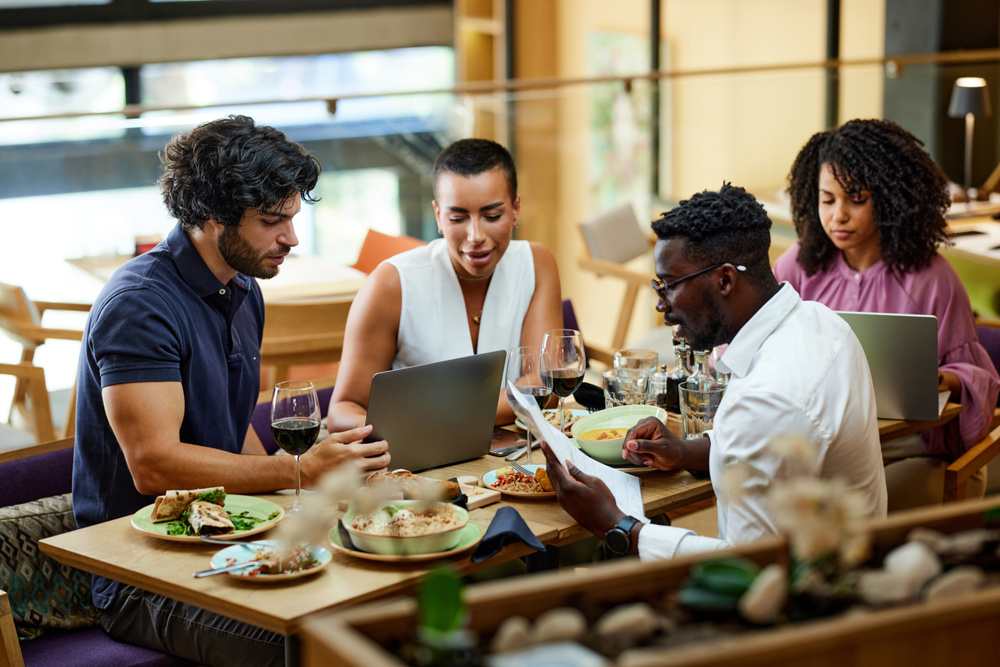
Lunch has always been social—but the way people connect around it is changing. In the past, the process of deciding what to eat often created interaction. Coworkers would suggest options, negotiate preferences, and make plans together. The decision itself was part of the social experience. With structured systems, that interaction shifts.
Instead of discussing what to order, teams follow a shared plan. The social moment moves from decision-making to participation—eating together rather than choosing together. This changes the dynamic. The conversation becomes less about coordination and more about presence.
The meal is already determined, allowing people to focus on the interaction itself. In some ways, this simplifies connection. In others, it removes a layer of spontaneity that once made those interactions feel more organic.
The Influence of Delivery Culture
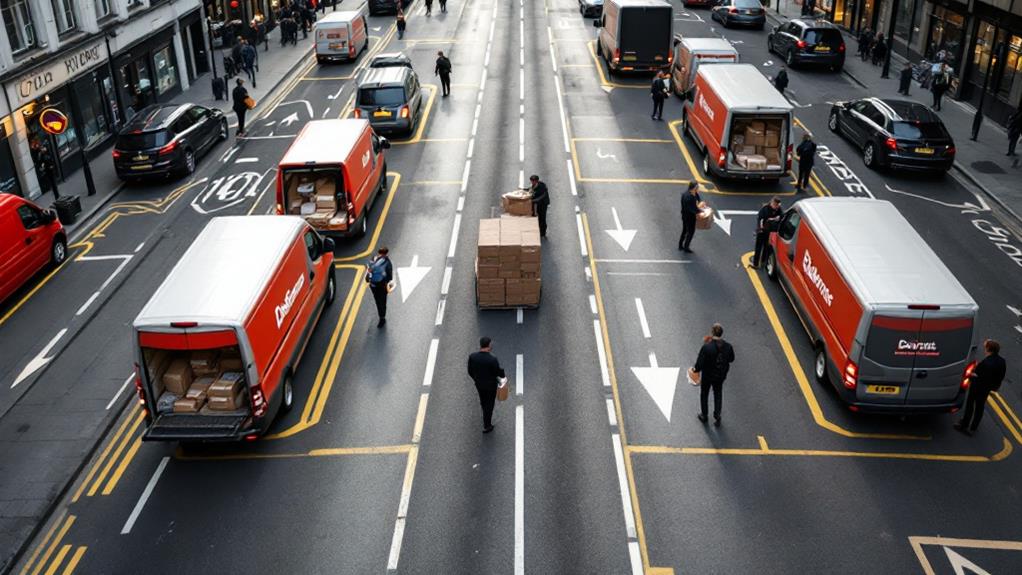
None of this exists without the rise of delivery platforms. The ability to order food quickly, reliably, and at scale has made structured lunch systems possible. Without that infrastructure, coordination would remain manual and inconsistent. Delivery platforms don’t just provide access—they enable routine.
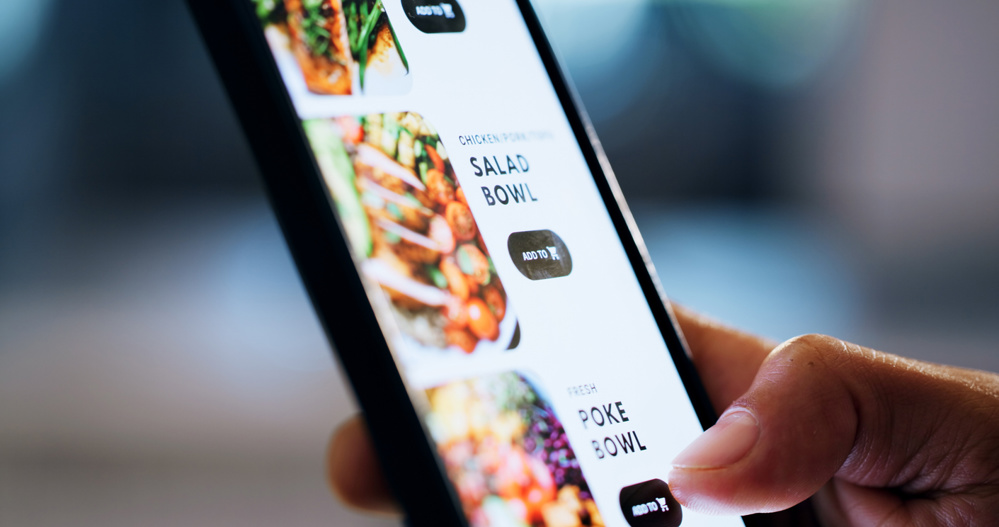
Recurring orders, scheduled deliveries, and streamlined group coordination allow lunch to function like any other automated process. What once required effort now happens with minimal input. This convenience reinforces the shift toward systemization. When something becomes easy to automate, it often becomes expected to be automated. Lunch follows the same pattern, moving from choice to process.
Conclusion
The workday still pauses for lunch. Food is still ordered, shared, and eaten. But the way people arrive at that moment has changed. The question that once defined it—“what’s for lunch?”—is no longer central to the experience. It has already been answered.
Planned in advance, repeated over time, and built into the rhythm of the workplace, lunch no longer requires daily attention. It exists as part of a system—efficient, reliable, and largely invisible. This doesn’t make it less important. If anything, it highlights how deeply everyday habits are shaped by the environments we work in. Even something as simple as lunch reflects broader patterns of behavior.