Surprising Facts About Food Delivery Apps: Fees, Timing, and How Orders Really Work
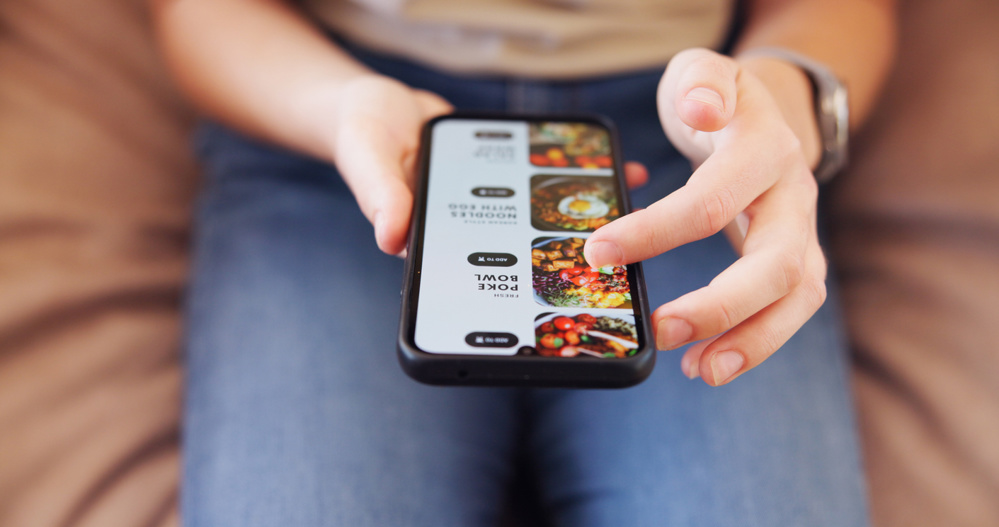
Food delivery apps feel simple. You open your phone, scroll through options, tap a few buttons, and within minutes, a meal is on its way. No lines, no travel, no decisions beyond what you feel like eating. It’s convenient at its most seamless—so seamless, in fact, that it rarely invites questions.
But behind that simplicity is a system far more complex than it appears. For restaurants, delivery apps are not just digital storefronts. They are layered platforms where visibility, cost, and survival are tightly connected. What looks like an easy transaction is actually a carefully structured ecosystem. And once you start to see it clearly, the experience of ordering food begins to feel very different.
When Convenience Became the Default
Food delivery isn’t new—but the way we use it has changed. In the past, ordering food was occasional. It was tied to specific moments—late nights, busy days, small celebrations. Today, it’s part of everyday life. Delivery has shifted from a convenience to an expectation.
This shift didn’t happen by accident. Apps made the process faster, more accessible, and more predictable. Restaurants became searchable, menus became standardized, and ordering became frictionless. Over time, the behavior followed. Instead of asking whether to order, people began asking what to order.
Convenience became the baseline. And with that baseline came a new kind of dependency—one that reshaped both how customers eat and how restaurants operate.
The Restaurant Side: More Orders, Less Control
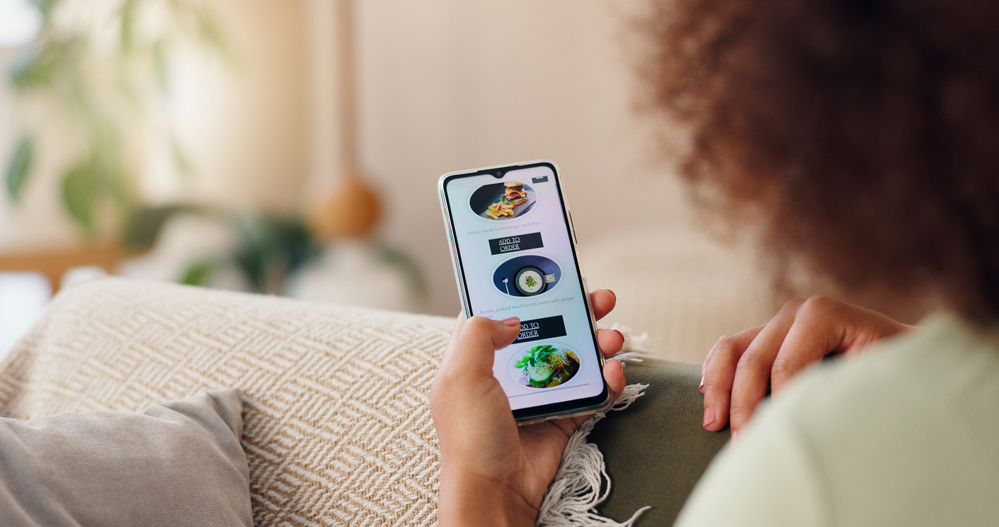
For restaurants, joining delivery platforms often feels like a necessary step. The promise is visibility. Access to a wider audience. A steady stream of orders that might not exist otherwise. And in many cases, that promise is real—delivery can increase volume and expand reach. But that reach comes at a cost.
Each order carries multiple layers of fees—commissions, processing charges, promotional costs, and platform-driven adjustments. What starts as a percentage quickly becomes a stack, reducing the amount a restaurant actually keeps.
The challenge isn’t just the cost—it’s the structure. Restaurants don’t just pay for delivery. They pay for placement, for visibility, for the chance to appear in front of customers who are already scrolling. The more they invest, the more visible they become. The less they invest, the more they disappear.
What Delivery Apps Actually Charge Restaurants Per Order
When a restaurant signs up for a food delivery app, the fees don't stop at the advertised commission rate. Uber Eats charges 15–30% on delivery orders depending on your plan, then adds a 2.5% order processing fee plus $0.29 per order. DoorDash's total fees regularly reach 30–40% once visibility boosts and extras stack up.
Grubhub offers more flexibility through negotiated rates, sometimes as low as 5%, though standard rates hover around 20–25%—a level of pricing transparency that helps you plan better.
Beyond commissions, you're also absorbing payment processing fees of 2.9–3.5%, marketing fees around 3%, and ad spend averaging 7%. Unlike franchise agreements, these costs aren't fixed—they shift based on platform, volume, and plan. On a $10,000 sales month, expect roughly $3,300 in fees. Restaurants can reduce their exposure by routing loyal customers through commission-free ordering channels, bypassing platform fees entirely on repeat business.
How Tiered Commission Plans Control Your Visibility
Those stacking fees don't operate in isolation—they intersect directly with how visible your restaurant actually is on the platform. Both DoorDash and Uber Eats use tiered commission plans to control your placement in search results and home screen exposure.
At the Lite or Basic tier, paying 15%, you're only discoverable through direct name searches—no tier visibility strategies working in your favor. Step up to Plus at 25%, and you'll appear on home screens and broader search results. Premium at 30% puts you at the top, complete with promotional matching and priority placement.
These tiers also shape the preferred customer experience—DashPass eligibility, expanded delivery radius, and ad credits come bundled with higher commissions. You're fundamentally paying for audience access, not just delivery logistics. Restaurants that cannot absorb these rising costs are often forced to increase menu prices to protect already razor-thin profit margins.
Step deeper into the world of food delivery with more fascinating food facts and trivia.
Hidden Fees That Push Your True Cost Past 40
The tiers reveal only part of the cost story—what's buried beneath them can push your true expense past 40% of revenue. Without transparent pricing strategies, you're absorbing stacked charges that silently drain every order.
- A $20 order nets you just $13.12 after a 34.4% fee cut.
- Payment processing quietly adds 2.9–3.5% plus $0.30 per transaction.
- Marketing visibility fees stack another 1–5% on top of base commissions.
- A $7 burrito sold through an app earns you only $4 while the customer pays $21.
- Chargeback and customer service fees add 0.5–2% on orders with an 8–12% error rate.
Developing alternative revenue sources—catering, direct ordering, meal kits—reduces your dependency on platforms bleeding your margins dry. Consumers are equally affected, as surveys show 68% experience hidden charges frequently or sometimes when ordering through food delivery apps.
Why Small Restaurants Rarely Break Even on Deliveries
Even with a steady stream of orders, small restaurants rarely break even on deliveries—commissions alone consume 15–30% of every sale, leaving margins paper-thin before a single packaging cost hits. Add packaging, marketing fees, and compliance overhead, and you're looking at losses most independents can't absorb long-term.
| Cost Factor | Impact |
| Commission rates | 15–30% per order |
| Packaging & quality control | 10–15% added cost |
| App marketing fees | 5–10% extra |
| Insurance & compliance | 20% overhead increas |
Revenue variability compounds the problem—delivery income swings 40% more than dine-in, making consistent planning nearly impossible. Without strong customer retention strategies, fragmented loyalty across platforms keeps repeat orders low, and per-order profit rarely clears $5.
How Consumer Fees Damage Your Restaurant's Reputation
When delivery apps inflate your menu prices by 20–30% to offset their commission fees, customers who order online and then dine in will notice the gap—and that gap quietly chips away at trust. These customer perception issues escalate fast, creating brand loyalty challenges that are hard to reverse.
A $10 burger becomes $13 online—customers feel deceived. Hidden service fees push total costs 73% beyond food and taxes. Shoppers compare prices across apps before ordering, increasing hesitation. Inconsistent pricing signals you value profit over loyalty. Platforms penalize you further by reducing your visibility in fee-capped markets.
You're not just losing orders—you're losing the relationship. Once customers question your pricing integrity, winning back their confidence requires far more effort than the delivery revenue was ever worth. Restaurants seeking transparent alternatives can reach out directly, as support@getsauce.com is available to help operators regain control of their pricing and customer experience.
Which Delivery Apps Take the Least From Restaurants?
Choosing the right delivery app starts with understanding which platforms take the smallest cut. DoorDash's Basic plan and Uber Eats' Lite plan both charge 15% on delivery orders, making them comparable entry points.
For pickup, both platforms drop to just 6%, which substantially reduces your costs. Grubhub typically starts around 15%, but fees can climb to 30% with sponsored listings, making delivery app transparency harder to evaluate there.
Your best savings come from prioritizing pickup orders whenever possible. That 6% rate beats any delivery commission across all platforms. You should also consider negotiating commission rates directly with platforms, especially if your order volume justifies it.
True costs often exceed advertised rates by 30–40%, so factor that into your pricing strategy before committing to any platform. Restaurants that switch to first-party ordering typically save 30–70% per delivery order compared to using third-party platforms.
Flat-Fee Platforms That Cut Delivery Commissions Entirely
Beyond minimizing commission percentages, you can sidestep them entirely by switching to flat-fee platforms. Models built around flat fee versus flexible pricing give you predictable monthly costs while keeping customer data ownership firmly in your hands. Unlike marketplace platforms, subscription-based systems let costs stay flat even as order volume grows.
Consider what each platform actually offers:
- Restolabs lets you launch commission-free ordering through your website, app, or QR codes within a week
- GloriaFood charges $0 upfront for pickup orders, with online payments activating at ~$30/month
- ChowNow runs $119–$298/month with zero per-order commissions across every plan
- Grubhub Direct combines a $49/month hosting fee with a one-time $99 setup and no ongoing commissions
- UniHop charges a flat $14.99 per delivery with no subscriptions, setup fees, or transaction markups
Each model trades unpredictable commission cuts for fixed, manageable costs.
Can You Negotiate Lower Rates With Delivery Apps?
Many restaurant owners assume commission rates are fixed, but platforms like DoorDash, Uber Eats, and Grubhub are often open to negotiation—especially if your business performs well.
If you have strong order volume, low cancellations, and high ratings, you have leverage. Before negotiating, gather your data, review competitors, and understand your position. Then ask for modest reductions (around 3–5%) or propose tiered rates that improve as your sales grow.
You can also offer value in return, such as platform branding on packaging or in-store promotion. Even smaller restaurants can secure better terms by showing reliability. Beyond commissions, consider negotiating perks like better visibility, ad credits, or access to analytics to strengthen your overall performance.
Conclusion
Food delivery apps have transformed how we eat. They’ve made meals more accessible, more flexible, and more aligned with the pace of modern life. For customers, they offer ease. For restaurants, they offer reach. But beneath that exchange is a system shaped by cost, visibility, and control.
The convenience we experience is not free—it is distributed across fees, pricing adjustments, and operational trade-offs that are rarely visible in a single moment. Instead, they exist in the background, shaping outcomes over time. This doesn’t make the system broken. But it does make it worth understanding.
Related posts