Pop Culture and Style Spillover: How Automotive Aesthetics Influence Streetwear Looks
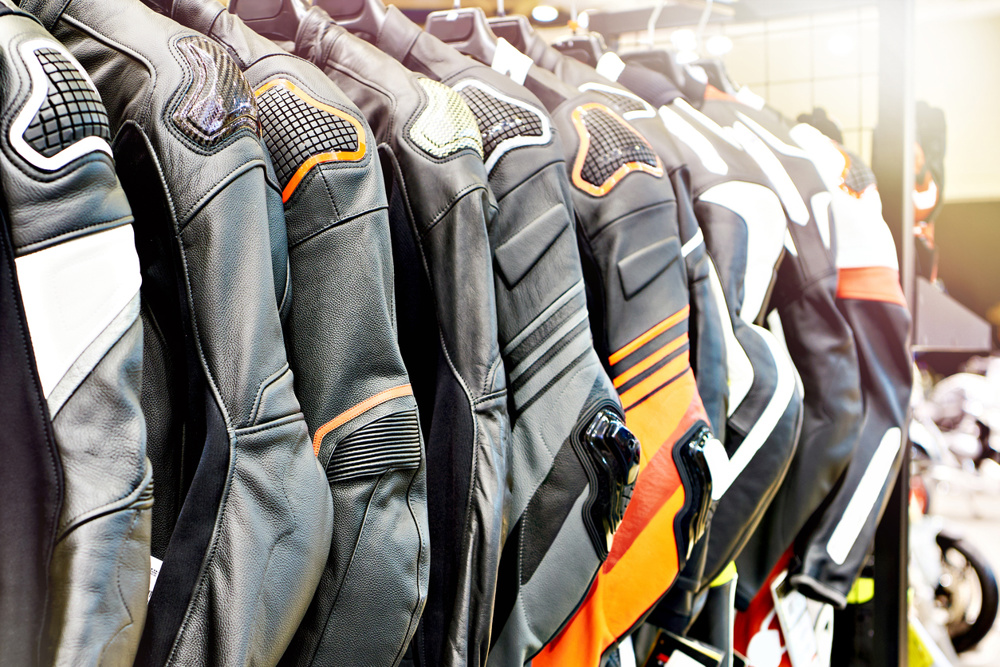
You don’t need to drive a race car to wear one. Somewhere between the roar of engines and the blur of speed, automotive culture found its way off the track and into everyday life. Today, racing jackets, sponsor logos, and high-performance silhouettes show up not just in pit lanes, but in city streets, fashion runways, and social media feeds.
This isn’t just a trend—it’s a translation. What once belonged to garages and circuits has been reinterpreted as style, turning movement, machinery, and speed into something wearable. Automotive aesthetics have become a visual language, one that speaks to identity, performance, and presence. And increasingly, that language defines modern streetwear.
Why Car Culture Became an Automotive Streetwear Staple
Car culture and fashion have been riding side by side for over a century, shaping each other in ways you might not immediately recognize. Alfred Dunhill pivoted his saddlery business toward motoring in the 1890s, fundamentally launching one of the earliest car-centric fashion brands.
From Art Deco–inspired coachbuilding to Cadillac's tailfin glamour influencing cinched waists and full skirts, cars consistently drove aesthetic movements. The impact on motorsports subcultures became undeniable when the Ford Mustang's rebellious energy pushed leather jackets and aviator sunglasses into mainstream youth culture.
Customization movements, from lowriders to muscle cars, reinforced personal expression as a shared value between automotive and fashion communities. These overlapping identities didn't happen accidentally — they reflected a deeper cultural desire to project individuality through both what you drive and what you wear. During the 60s and 70s, celebrities and pop icons played a pivotal role in popularizing collaborations between car brands and fashion houses, cementing this cultural connection even further.
The Designer Brands That Made Car Culture High Fashion
Luxury automakers have spent the last decade turning car culture into a genuine high-fashion movement, and the collaborations they've built tell that story clearly. Mercedes Benz street fashion got a significant boost when A$AP Rocky dropped his Awge capsule collection in May 2022, offering hoodies, jackets, and bags priced between $60 and $175.
Virgil Abloh pushed it further with concept cars, while Nigo transformed the G-Wagon for Moncler in 2025. Porsche partnered with Aimé Leon Dore as early as 2020, producing custom 964 Carreras alongside co-branded tees that sold out within two days.
BMW tapped Kith for 94-piece clothing lines, and Lamborghini worked with Supreme and Balenciaga to position its bull logo on automotive branded accessories that genuinely compete with traditional luxury streetwear. McLaren Racing joined the movement through its 2021 capsule collection with RHUDE, offering pieces ranging from $54 to $3,500 to reimagine trackside style for its global fanbase.
Check out MrPopCulture.com and learn more about pop culture trends in automotive fashion and aesthetics.
Celebrity Culture and the Acceleration of Style
The transition from niche to mainstream didn’t happen on its own. Celebrities played a crucial role in accelerating the crossover between automotive culture and streetwear. When figures like Lewis Hamilton, A$AP Rocky, and Travis Scott began incorporating racing aesthetics into their personal style, the look gained visibility and credibility.
But this wasn’t just imitation—it was reinterpretation. Hamilton, for example, didn’t just wear racing gear—he reshaped it, blending it with high fashion and personal expression. His presence in both motorsport and fashion blurred the boundaries between industries, making the crossover feel natural rather than forced.
These moments mattered because they reframed the aesthetic. What was once associated with speed and machinery became associated with influence, creativity, and cultural relevance. And once that shift happened, the look no longer belonged only to the track.
How Automotive Materials Are Reshaping Streetwear Design
Beyond the celebrity co-signs and brand collaborations, it's the actual materials shaping these garments that tell the deeper story. Advanced material innovations like Kevlar, carbon fibre, and reflective polymers are crossing directly from automotive engineering into your wardrobe, creating real crossover appeal between industries.
| Material | Automotive Use | Streetwear Application |
| Kevlar | Structural reinforcement | Durable jacket construction |
| Carbon Fibre | Lightweight car panels | Textured garment detailing |
| Reflective Trim | Safety visibility gear | Statement jacket accents |
Recycled car seat fabrics become minimalist trousers. Tire tread patterns emboss caps and backpacks. EV-inspired recycled interiors fuel sustainable fashion upcycling. You're no longer just wearing a trend — you're wearing engineering redefined for the street.
These hybrid product innovations deliver distinctive storytelling alongside practical functionality, producing items that are actively discussed and celebrated across both automotive and fashion communities.
The Visual Language of Automotive Streetwear
At its core, automotive streetwear works because it is visually distinct. It draws from a set of recognizable elements—bold logos, technical fabrics, structured silhouettes, and high-contrast color schemes. These features create a sense of movement even when the wearer is standing still.
There is also an emphasis on detail. Zippers, patches, stitching, and material textures all reference the precision of automotive design. Carbon fiber patterns, reflective strips, and engineered fabrics mirror the components of a vehicle, turning clothing into something that feels constructed rather than simply worn.
This gives the aesthetic its edge. It doesn’t just look good—it looks intentional. Every piece feels like it belongs to a system, much like the parts of a car. And that cohesion is what makes it compelling.
Materials, Performance, and the Appeal of Function
One of the most interesting aspects of this crossover is how materials have followed the aesthetic. Streetwear has increasingly adopted fabrics and textures inspired by automotive engineering. Durable synthetics, reinforced stitching, and lightweight construction all reflect a broader interest in performance—not just in how something looks, but in how it functions.
This shift speaks to a larger cultural idea. Clothing is no longer just about appearance—it’s about capability. The influence of automotive materials suggests readiness, resilience, and adaptability. It implies that what you wear can perform, even if you’re not on a racetrack.
At the same time, these materials carry symbolic weight. They connect the wearer to a world of engineering and innovation, making the aesthetic feel grounded in something real rather than purely decorative.
From Subculture to Market Force
What began as a niche overlap has become a significant part of the global fashion landscape. Streetwear itself has grown into a multi-billion-dollar industry, and automotive-inspired design has become one of its most recognizable branches.
Collaborations between car brands and fashion houses have turned this aesthetic into a commercial force, with limited drops and capsule collections driving demand. But the success of automotive streetwear isn’t just about numbers. It reflects a shift in how people engage with culture.
Consumers are no longer just buying products—they are buying into identities, narratives, and communities. Automotive aesthetics offer a ready-made story, one built on speed, precision, and individuality. This makes the style both marketable and meaningful. It sells because it signifies something.
Everyday Wear and the Adoption of Identity
Perhaps the most telling sign of this movement is how it has entered everyday life. You don’t need to attend a race or own a high-performance car to participate. The aesthetic has been distilled into accessible pieces. Jackets, sneakers, caps, and accessories that carry the same visual language without requiring full immersion in the culture. This accessibility is key.
It allows people to engage with automotive identity on their own terms. A racing jacket might signal interest in motorsports, but it can also represent something broader—confidence, speed, or simply an appreciation for design. In this way, the aesthetic becomes flexible. It adapts to the wearer, rather than defining them completely.
Social Media and the Amplification of Aesthetic
Digital platforms have played a major role in amplifying automotive streetwear. On social media, visuals matter—and automotive aesthetics translate exceptionally well. The bold colors, structured fits, and recognizable logos create content that is instantly engaging and easy to share.
This has accelerated the spread of the style. Outfits are no longer just worn—they are documented, curated, and circulated. A racing-inspired look doesn’t exist only in physical space; it exists in digital feeds, where it can be seen, replicated, and reinterpreted. This creates a feedback loop. The more the aesthetic is shared, the more it becomes normalized—and the more it evolves.
Beyond Fashion: What the Aesthetic Represents
At a deeper level, automotive streetwear is about more than clothing. It represents a set of ideas—speed, control, precision, and individuality. These qualities resonate in a culture that values movement, progress, and visibility. Wearing automotive-inspired pieces becomes a way of aligning with those ideas.
It suggests a connection to something dynamic and forward-moving, even in everyday contexts. The aesthetic carries a sense of momentum, making it feel relevant in a world that rarely slows down. This is why it continues to grow. It reflects not just what people want to wear, but how they want to feel.
Conclusion
Automotive aesthetics didn’t just enter streetwear—they reshaped it. What began as functional design evolved into a cultural language, one that translates speed and machinery into identity and expression. Through celebrities, collaborations, and everyday adoption, the look has moved far beyond its origins. And yet, it still carries that sense of motion.
Even when worn on the street, it feels connected to something faster, louder, and more precise. It suggests that style, like a car, is not just about how it looks—but how it moves through the world. Because in the end, automotive streetwear isn’t just inspired by speed—it is speed, reimagined.