Parking and Transport Tips for Visiting Texas Cities
Traveling around Texas cities is easiest when you understand how different transportation options work in large metro areas such as Houston, Dallas, Austin, and San Antonio. These cities cover wide geographic areas, and while public transportation exists, many visitors rely on rental cars or rideshare services to move between attractions.
Parking prices, traffic patterns, and transit availability vary widely between cities. Planning ahead can help you avoid long travel times, expensive parking, or unexpected transportation challenges during your trip.
Should You Rent a Car or Use Rideshares in Texas Cities?
Choosing between a rental car and rideshare services depends largely on how far you plan to travel within a city.
If you plan to stay mostly in walkable districts such as Downtown Houston, Downtown Austin, the Dallas Arts District, or San Antonio’s River Walk area, rideshare services like Uber and Lyft can be convenient. They allow visitors to avoid parking fees and the stress of navigating unfamiliar streets.
However, Texas cities are large and attractions are often spread out. Renting a car becomes more practical when visiting multiple neighborhoods or taking day trips to nearby destinations such as Galveston from Houston, Fredericksburg from Austin, or the Texas Hill Country from San Antonio.
For travelers visiting several attractions in a single day, a rental car often provides more flexibility and predictable costs than multiple rideshare trips.
How to Get From IAH, DFW, AUS, and SAT Airports to Downtown
Most major Texas airports offer several transportation options for reaching downtown areas, including public transit, taxis, rideshares, and rental cars.
At Houston’s George Bush Intercontinental Airport (IAH), visitors can take METRO Bus Route 102, which connects the airport to downtown Houston for $1.25. Travel time typically ranges from 50 to 90 minutes depending on traffic.
Rideshare services from IAH to downtown Houston usually take 25–40 minutes, depending on traffic conditions.
In the Dallas–Fort Worth area, travelers arriving at Dallas/Fort Worth International Airport (DFW) can take the DART Orange Line light rail, which connects the airport to downtown Dallas and surrounding neighborhoods.
At Austin-Bergstrom International Airport (AUS), CapMetro Route 20 provides bus service between the airport and downtown Austin.
Visitors arriving at San Antonio International Airport (SAT) typically rely on VIA Metropolitan Transit buses, taxis, or rideshare services to reach downtown and the River Walk district.
Airport Car Rental Tips for Texas Travelers
Many travelers visiting Texas choose to rent a car directly from the airport, particularly when planning to explore multiple cities or take day trips outside urban areas.
Major airports such as Dallas/Fort Worth International Airport, Austin-Bergstrom International Airport, Houston’s George Bush Intercontinental Airport, and San Antonio International Airport all offer large rental car facilities with multiple providers.
Booking in advance often provides lower rates, especially during busy travel seasons. Visitors should also consider:
- Comparing prices between airport and nearby off-airport rental locations
- Checking whether parking is included at hotels
- Choosing vehicles suited to longer drives, since distances between Texas cities can be significant
For travelers planning to visit multiple destinations across the state, renting a car often provides the most flexibility.
Where to Park in Houston, Dallas, Austin, and San Antonio
Parking costs in Texas cities vary depending on location and time of day, but downtown areas generally have the highest rates.
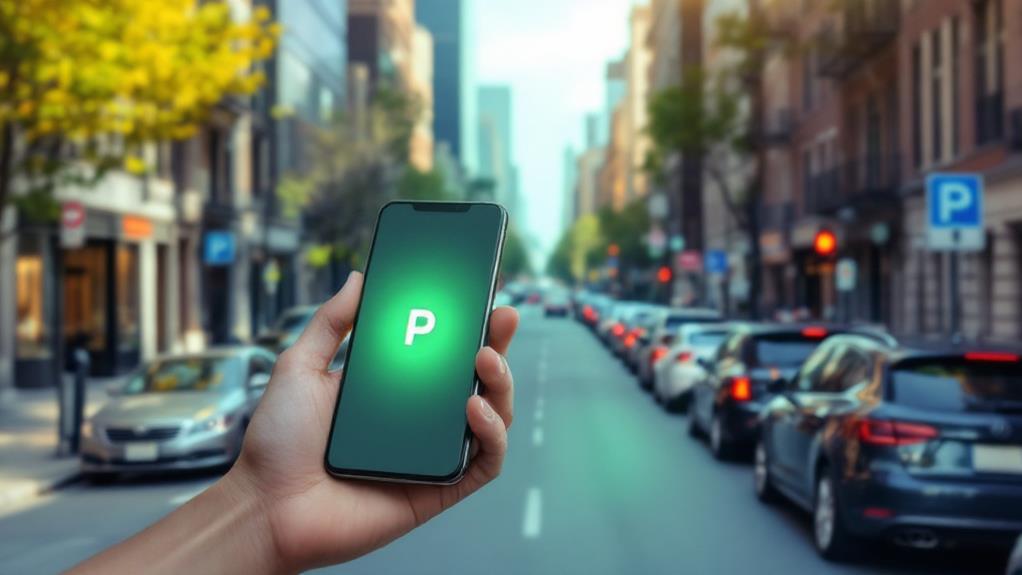
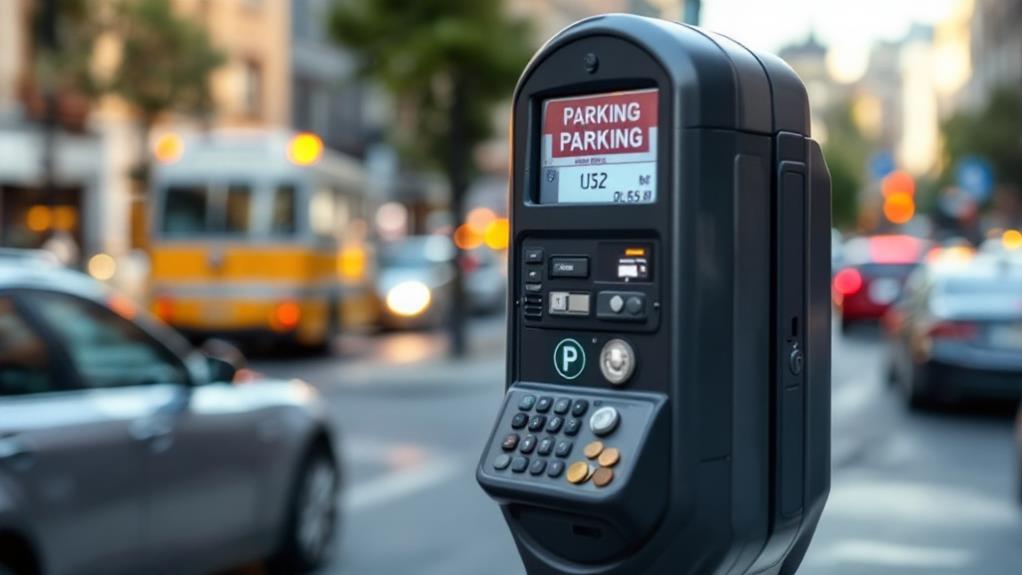
In Houston, street parking typically costs $1–$2 per hour, depending on the district. Payment can be made through the ParkHouston app or at parking meters.
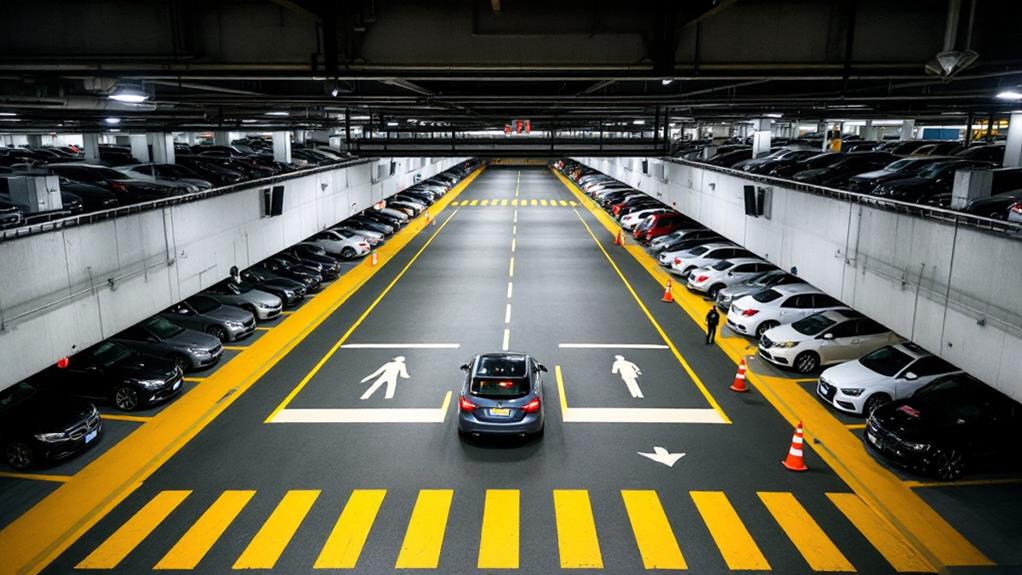
In Dallas, downtown garages commonly charge $10–$30 per day, while street parking rates vary by location.
In Austin, parking demand is high near entertainment districts such as Sixth Street and South Congress, where garage rates often range from $10–$25 per day.
San Antonio offers numerous parking garages near the River Walk and downtown attractions, with typical daily parking rates ranging from $10–$30.
Apps such as ParkMobile, SpotHero, and ParkHouston allow visitors to find garages, reserve spaces, and pay for parking through their smartphones.
When Texas Traffic Is Worst and Which Routes to Avoid
Traffic congestion is common in major Texas metro areas, particularly during weekday rush hours.
Peak traffic periods typically occur between 7:00–9:00 a.m. and 4:00–7:00 p.m. in cities such as Houston, Dallas, and Austin. During these times, highways like I-10, I-45, and I-610 in Houston, I-35 in Austin, and I-635 and US-75 in Dallas often experience heavy congestion.
Planning travel outside peak commuting hours can significantly reduce travel time.
Drivers should also monitor weather conditions in cities like Houston, where heavy rain occasionally causes localized flooding on low-lying roads.
Navigation apps such as Google Maps or Waze can help drivers identify alternate routes and avoid construction delays.
Park-and-Ride Systems in Large Texas Cities
Large Texas cities operate park-and-ride transit systems designed to reduce congestion during peak commuting hours.
In Houston, the METRO Park & Ride system includes dozens of parking facilities located outside the city center. Commuters can park their vehicles and take express buses into downtown or major employment centers such as the Texas Medical Center.
The Dallas–Fort Worth region also offers park-and-ride options connected to the DART light rail and bus network, allowing visitors to park outside busy districts and ride transit into downtown areas.
These systems are especially helpful for travelers staying in suburban areas who want to avoid heavy downtown traffic and high parking fees.
Public Transit Options for Visitors
Public transportation can be useful in some Texas cities, though coverage varies.
Dallas Area Rapid Transit (DART) operates one of the largest light rail systems in the United States, connecting downtown Dallas with suburbs and major destinations.
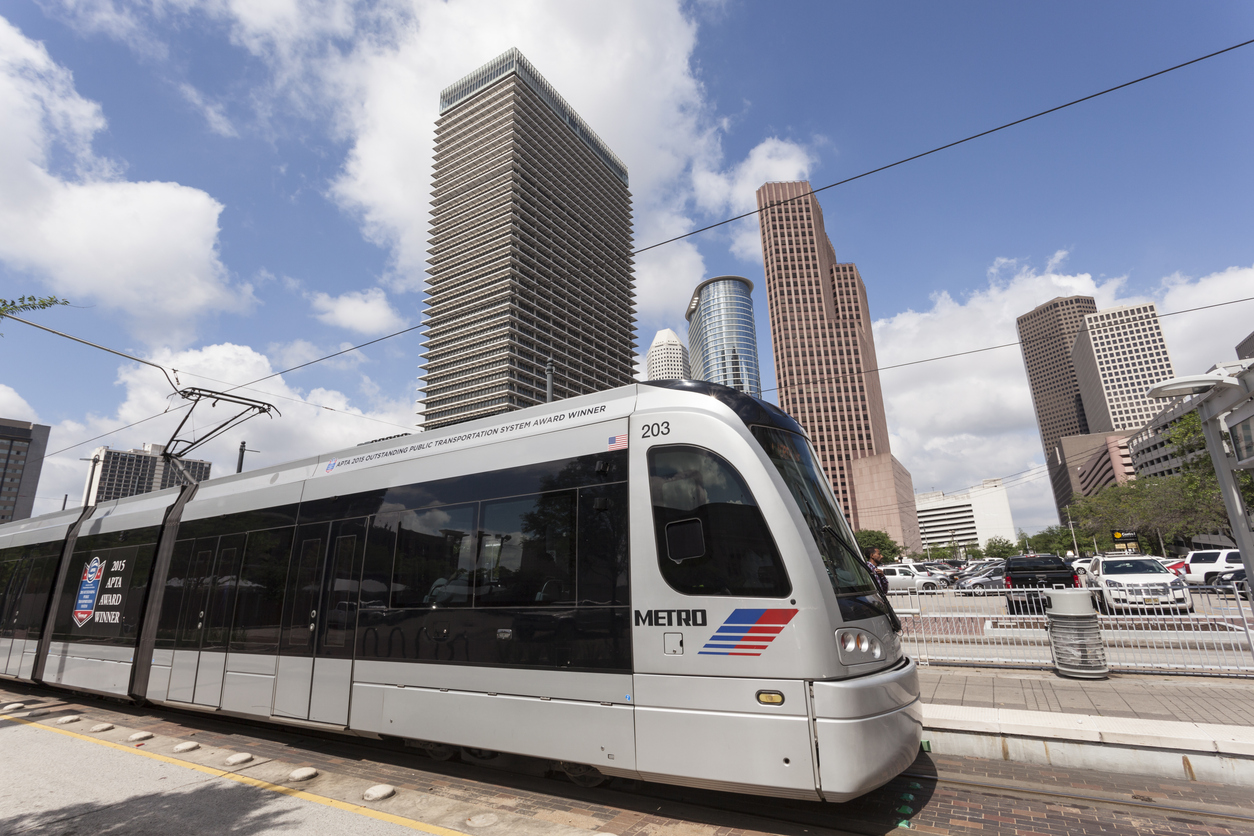
Houston METRORail serves key corridors including Downtown, the Texas Medical Center, Midtown, and NRG Park.
In Austin, CapMetro buses and the MetroRail Red Line connect downtown with northern suburbs.
San Antonio’s VIA Metropolitan Transit primarily operates bus routes throughout the city.
While public transit works well for certain routes, visitors often combine transit with walking or rideshare services to reach specific attractions.
Bike Share Programs for Short Trips
Many Texas cities offer bike share programs, which provide an easy way to travel short distances between attractions.
In Houston, the Houston BCycle program operates docking stations across downtown, the Museum District, and nearby parks such as Buffalo Bayou Park. Riders can rent bikes for short trips between restaurants, museums, and waterfront trails.
Austin BCycle operates throughout downtown Austin and near popular destinations such as Lady Bird Lake, the University of Texas campus, and South Congress Avenue. The system is widely used for quick trips along the city’s extensive network of bike lanes and trails.
Bike share programs work best for short urban trips, especially in areas with dedicated bike infrastructure and scenic waterfront paths.
Light Rail Routes Visitors Commonly Use
Several Texas cities operate light rail systems that are particularly useful for visitors traveling between major attractions and downtown districts.
In Dallas, the DART light rail system connects Dallas/Fort Worth International Airport, downtown Dallas, the Arts District, Deep Ellum, and surrounding suburbs. The Orange Line runs directly from DFW Airport to downtown Dallas, making it one of the most convenient airport transit options in the state.
Houston’s METRORail system currently operates three lines that connect Downtown, Midtown, the Texas Medical Center, and NRG Park. Visitors attending events or exploring museums often use the Red Line, which runs through the Museum District and the Texas Medical Center.
In Austin, the CapMetro Rail Red Line connects downtown Austin with several northern neighborhoods and suburban communities. Although the system is smaller than Dallas or Houston’s rail networks, it provides a convenient alternative to driving for certain routes.
These light rail systems are especially useful for travelers who want to avoid downtown traffic and parking fees.
Parking Tickets and Towing: Mistakes That Cost Texas Visitors Money
Parking enforcement is common in downtown areas, and violations can result in fines or towing.
Common mistakes include:
- Parking in no-parking or fire lanes
- Parking too close to crosswalks or intersections
- Exceeding meter time limits
- Parking in electric vehicle charging spaces without charging
Fines vary by city, but they typically range from $25 to $75 for standard violations, with higher penalties for blocking fire lanes or accessible parking spaces.
Visitors should carefully check posted parking signs and meter time limits before leaving their vehicles.
In busy districts, using parking apps or garages can help avoid costly tickets and towing fees.